
Traffit is a well-known ATS from Gdynia, Poland, popular with tech companies. Element was built by recruiters who wanted a tool without artificial limits on job postings, API access, or integrations. Both platforms offer kanban boards and automations — so what actually separates them? Pricing structure, workflow flexibility, and which features you can use without paying extra.
Traffit caps the number of active job postings at 3 or 7, depending on your plan. That works fine until your company starts growing faster than expected. Element has no such limit — create as many recruitment projects as you need. You can reshape the process and add fields or stages without waiting for support. The system adapts to how your team actually works.

Both platforms offer kanban views. The difference is speed. Element handles 200, 300, even 500 candidates in a single process without lag — you drag a card and it moves instantly. That same board doubles as a workspace for onboarding, offboarding, or talent pools. Traffit separates these into modules, sometimes at extra cost.
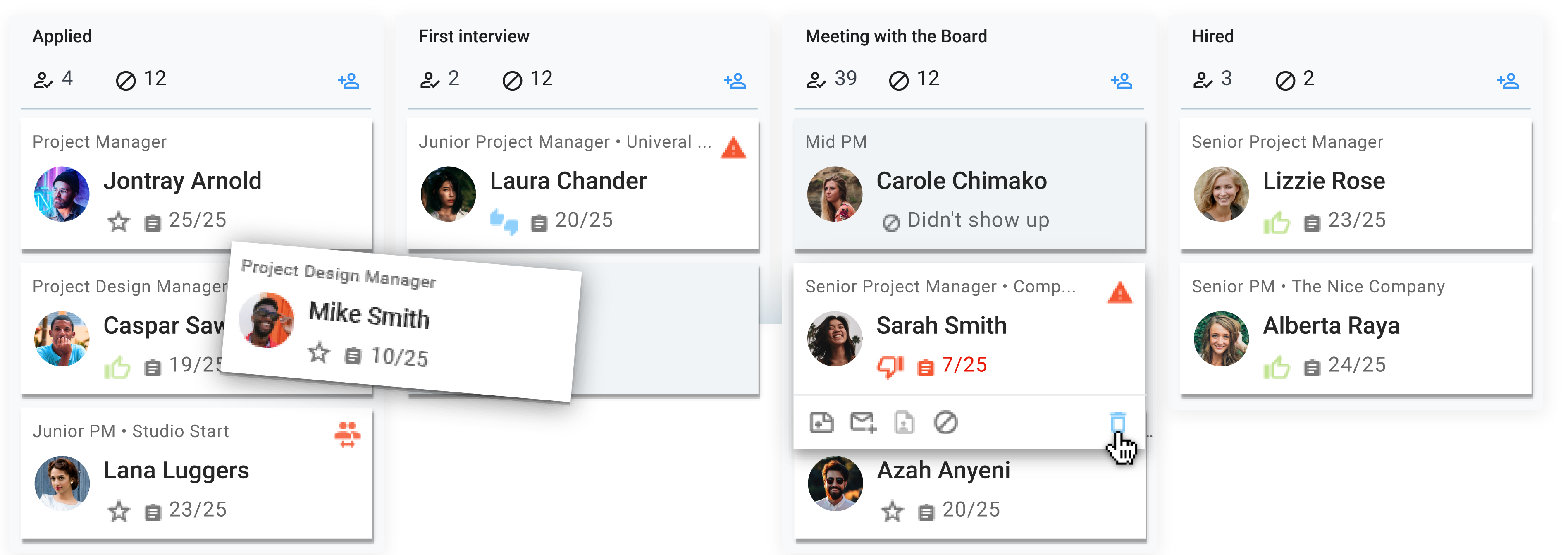
In Traffit, hiring managers can review candidates and leave comments. Element goes further. You share specific kanban stages with a hiring manager, and they can move candidates between those stages or trigger automated messages on their own. Your payroll person sees only the "Hired" stage. The onboarding lead sees only "Onboarding." The recruiter keeps full control of the process while delegating the repetitive parts.
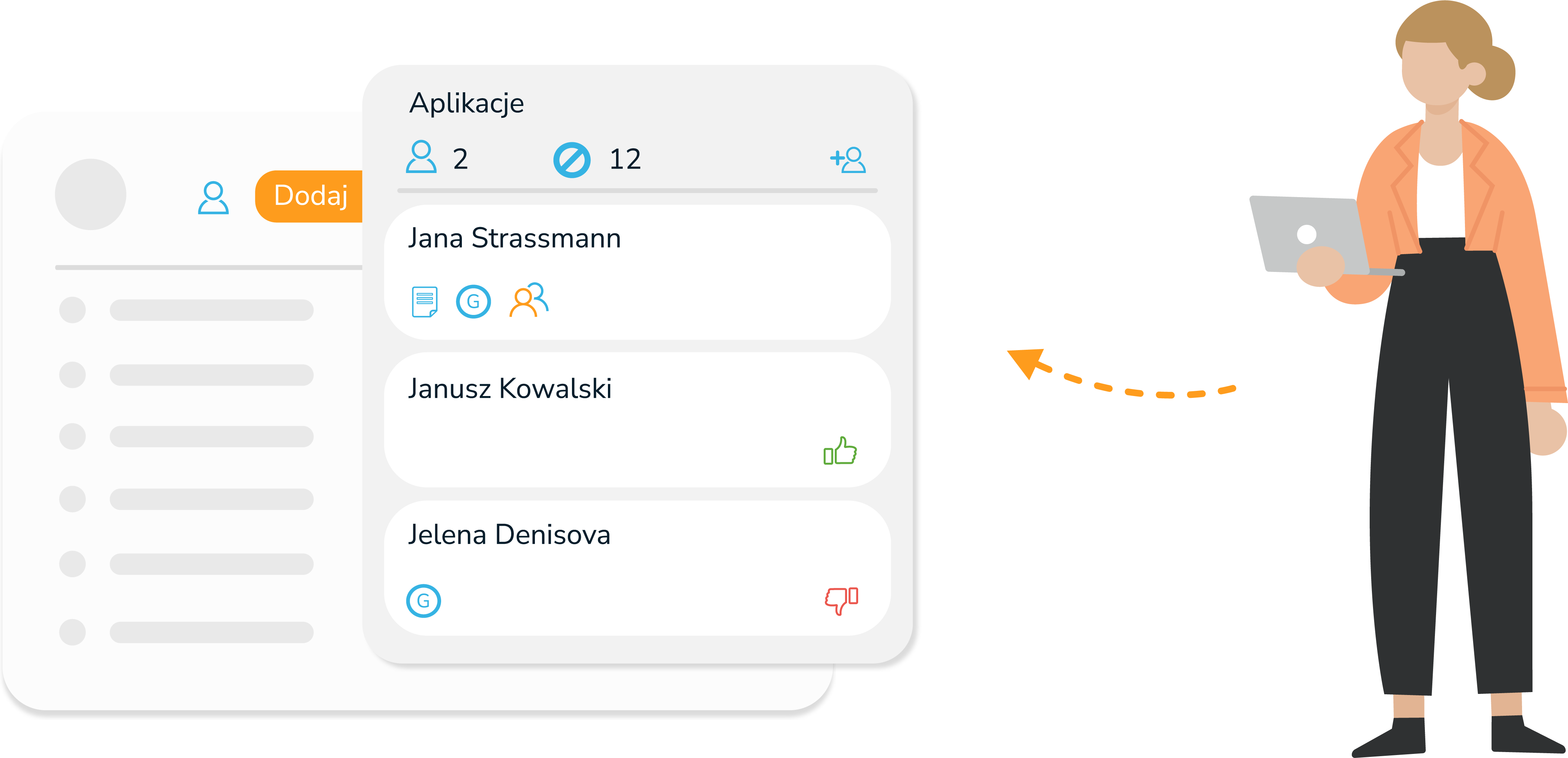
Traffit lets you add questions to application forms, but you evaluate answers manually. Element scores them automatically — you assign points to each answer option and the system ranks candidates for you. Candidates never see the scoring. On your end, the ranked list is filterable by score, so disqualifying answers surface immediately. When a role draws 200+ applications, that kind of pre-screening saves hours.

Every company organizes recruitment differently. Element lets you add unlimited custom fields to projects — department, lead recruiter, priority, process type, agency — using whatever data type fits: text, dropdown, multi-select, or date. You can then filter all your projects by those fields in one click. Traffit supports custom fields too, but restricts the available types and field count on lower pricing tiers.

Element includes a built-in search engine for LinkedIn, GitHub, and Stack Overflow — no paid LinkedIn Recruiter license needed. You search profiles and add candidates to your pipeline directly from Element. Traffit integrates with LinkedIn through the official API, which requires a paid LinkedIn seat. Depending on team size, that difference alone can mean several hundred euros per month.



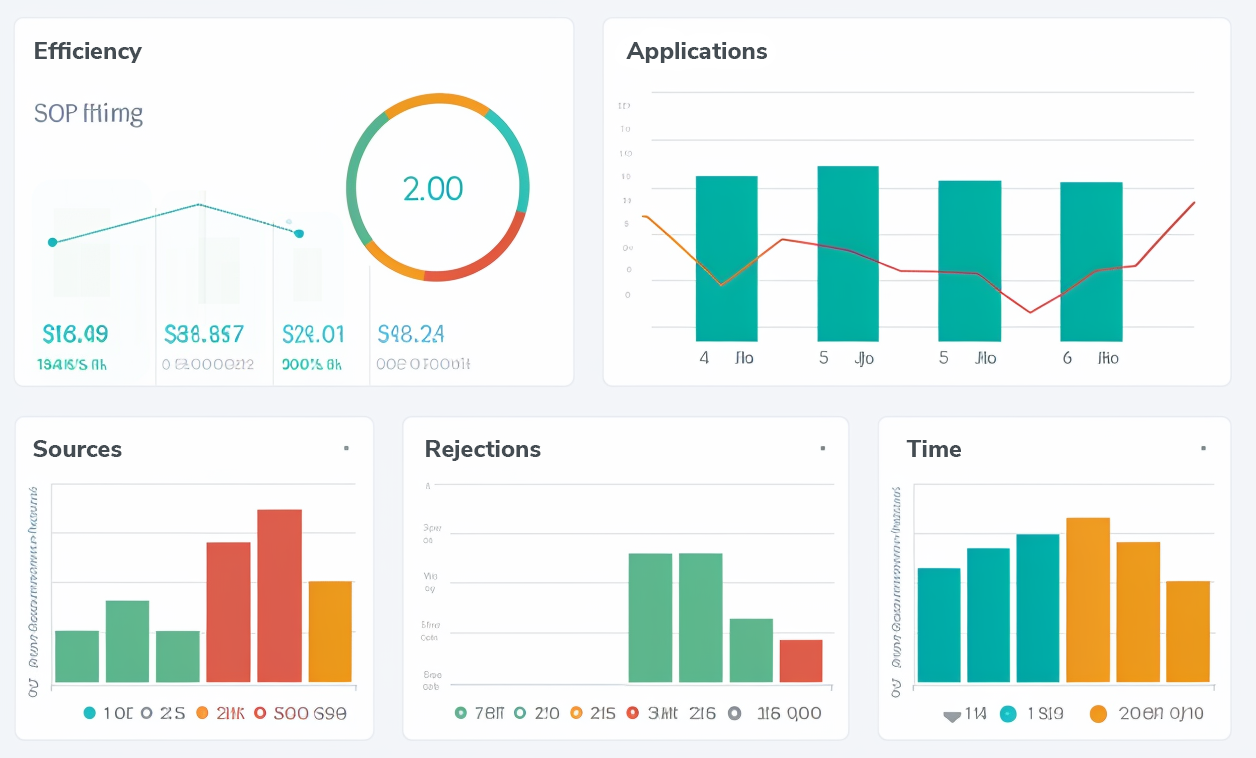
Element logs nearly every event: stage changes, recruiter activity, time between stages, source performance. You can export raw data anytime and build reports in Excel, Power BI, or whichever tool your analytics team already uses. Built-in dashboards cover the basics; the raw export matters more once your hiring volume grows. Traffit has built-in reports as well, but raw data export is more limited and advanced analytics require a higher plan.
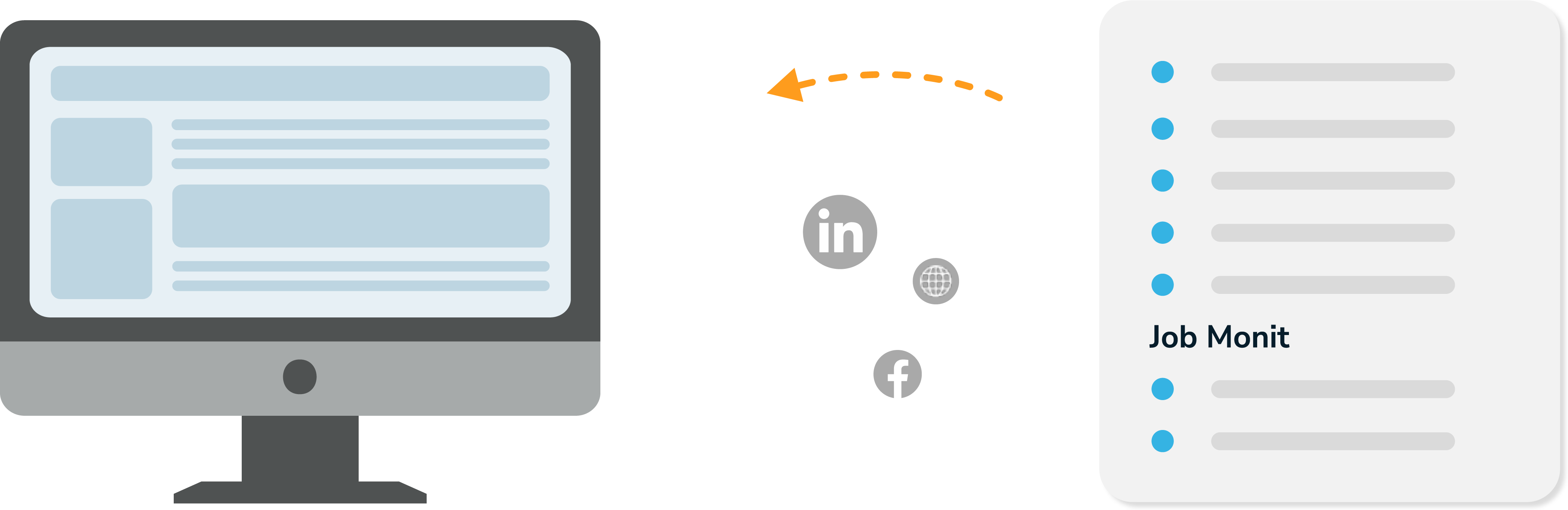
Job Monit scans 50+ Polish job boards daily — Pracuj.pl, LinkedIn, OLX, Indeed, among others — and pulls all their listings into Element. You can track what competitors are hiring for, which portals they use, and what salary ranges they publish. Recruitment agencies also use it to spot potential clients and set alerts for new postings. This feature is unique to Element; Traffit does not offer anything comparable.
Traffit charges 35 EUR/month for API access. AI candidate scoring is another 45 EUR. These add-ons accumulate quickly when your team relies on multiple tools. In Element, API access comes with every subscription — there are no surcharges or feature gates. You can connect the system to your own tools as soon as you start.
Traffit plans range from 64 to 128 EUR/month, plus paid add-ons for API (35 EUR) and AI scoring (45 EUR). Once you enable everything, the monthly cost climbs well past the base rate. Element includes all features in one transparent price — no hidden fees, no job posting limits, and no extra charges for integrations. You can cancel at any time without penalties.
Flexible plans for teams of any size. No credit card required to start.
View pricingStill deciding? Check reviews from recruiters and hiring managers who switched to Element.
Learn more about what an ATS is and how it helps with recruitment.
discover an ATS used by leaders
Looking for a job? This form is for companies that want to see the Element recruitment system. If you applied for a job offer, please contact the employer who published it.
Element guarantees the highest
recruitment standards and GDPR compilance