

SEO for recruitment: Google algorithm changes you should know
Google algorithm changes you should know about
Google announced that starting May of next year, the quality of user interaction with a website will actually matter for search rankings. They’ll measure it based on:
- page loading speed
- proper display on mobile devices
- use of encrypted connection (https)
- presence of unwanted advertisements
The better the experience, especially on mobile (which Google now treats as the default), the higher your site climbs in search results. Higher position means more customers and candidates landing on your site. Simple math.
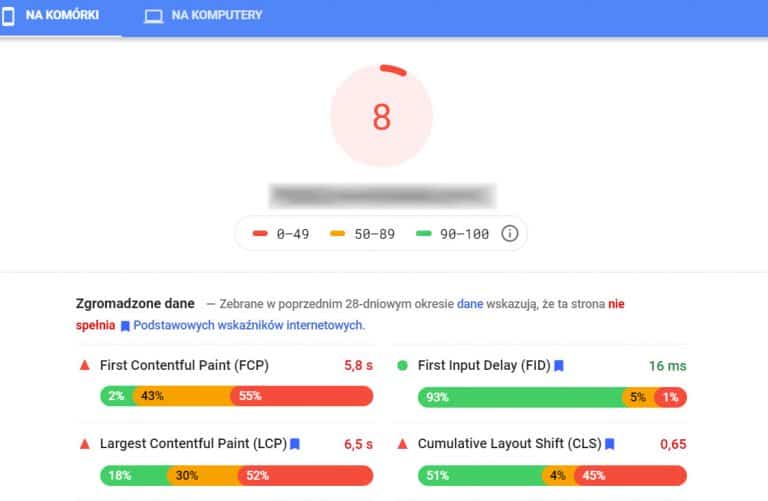
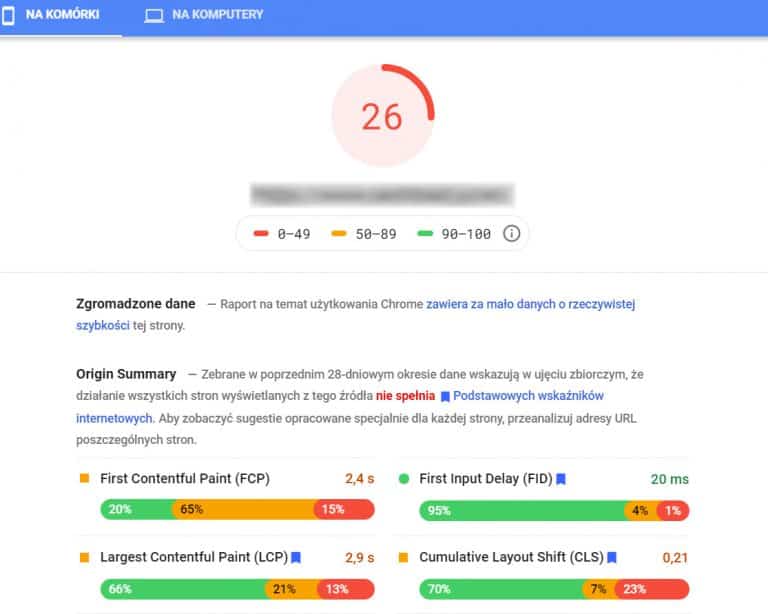
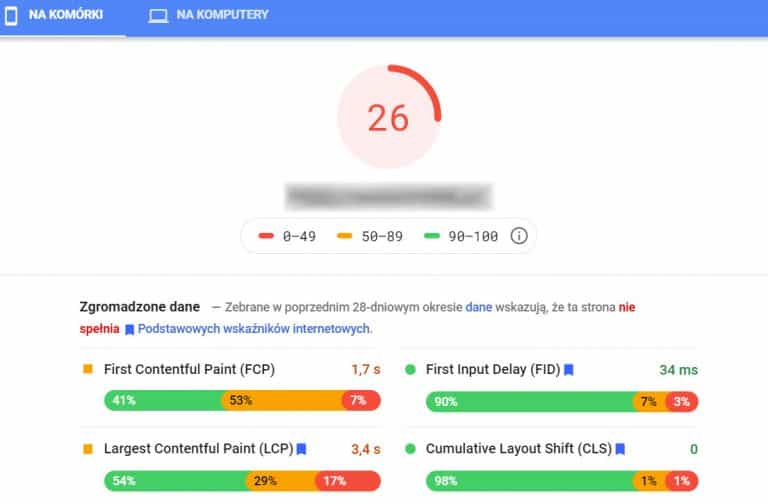
I got curious how companies in our space handle this. I tested two large recruitment agencies, two Polish ATS systems, and one of the biggest Polish employers. Google gives you the testing tool for free:
Two large recruitment agencies:
Two popular Polish recruitment systems:
ats-1-768×611.jpg” alt=”ATS system 1 – PageSpeed score” width=”768″ height=”611″ />
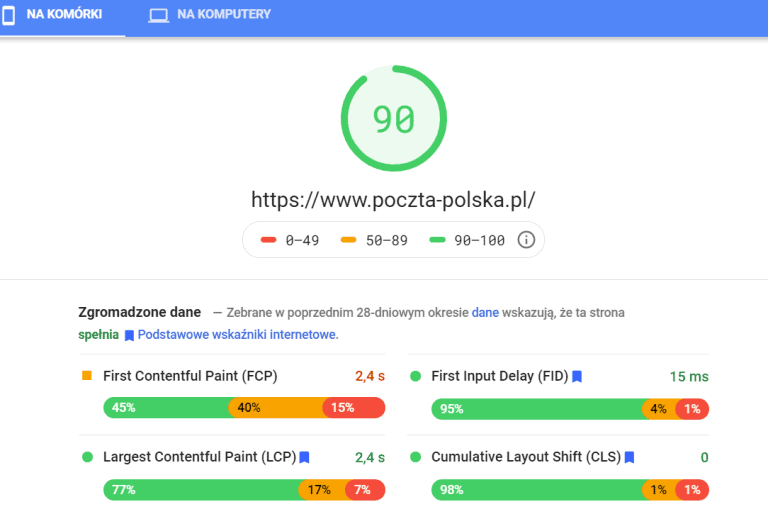
And now one of the biggest Polish employers. Credit where it’s due: Poczta Polska (Polish Post) nailed it:
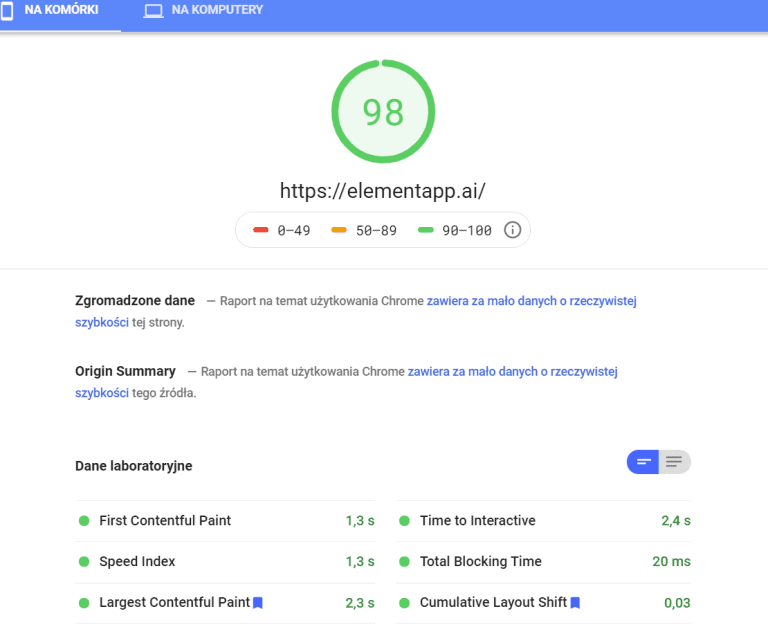
Finally, the new Element website (the one you’re on right now).
We built this site for the new version of our ATS (Element 2.0), and we designed it from scratch with fast, clean user interactions in mind. So a good score wasn’t a shock. But 98 points? That surprised me. The site runs an image slider, a chat widget, and several scripts, and we still hit 98. Not bad for a relatively small investment.
Element website – 98 mobile PageSpeed score” width=”768″ height=”627″ />
To be clear, interaction quality is not the most important ranking factor. Content still is, and probably always will be. An empty page will score 100, but Google won’t rank it for anything. We don’t know exactly how much weight this factor will carry after the May update. We just know it’ll matter more than it used to.
I’d recommend checking your own site with Google’s tool (link above) and talking to a good SEO specialist. Getting our site from 70-80 points to 98 cost Element 250 PLN + VAT. That’s it.
Worth doing. It’s a one-time cost, and you’ll keep reaping the benefits as long as the site is live.
More about the May update to Google’s algorithms: https://searchengineland.com/google-page-experience-update-to-launch-in-may-2021-343581
More about SEO in recruitment: https://social-hire.com/blog/recruitment/the-importance-of-seo-in-recruitment
DISCOVER ELEMENT!
Maciej Michalewski
CEO @ Element. Recruitment Automation Software
Recent posts:

The autonomous company: how Replit does it with AI agents, and how to do it yourself
Replit built an autonomous company: a fleet of AI agents where people choose the goals and automations handle the steps. I break down the pattern and how to run it yourself.

How to reject a candidate without ghosting: Glen Cathey’s playbook
Ghosting applicants isn’t a volume problem, it’s a priority problem. I walk through Glen Cathey’s rejection playbook: 6 rules, 7 templates and ATS setup.

Poland’s job market turns positive: 259,000 postings, all ten cities growing
Poland posted 259,000 job ads in June 2026, the first positive year-over-year reading in more than a year. The Grant Thornton and Element report reads it as a cautious but real turnaround.

What’s new in Element: a month of concrete improvements for recruiters
A roundup of what’s new in Element this month: saved filters, GDPR and consent tracking, candidate SMS, a new public API, and stronger data security.

Career in the age of AI agents: what really counts, per Phil Chen
Phil Chen (Helm AI, Scale, OpenAI, DeepMind) argues that in the age of AI agents, finding problems, the last mile and reputation matter more than solving tasks. A summary plus my HR take.

AI isn’t taking jobs. Companies that invest in it hire more
A Ramp study of 21,599 US firms finds that companies investing seriously in AI grow headcount 10.2% in two years, including entry-level roles. The data pushes back on AI job-loss panic.