

Element races ahead: Slack, default filters and global template updates
We had barely refreshed Element’s look when a Slack integration, default filters, global message template updates and adding candidates straight from a CV arrived.
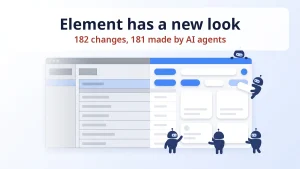
Element’s new look: another job done well by AI agents under human supervision
Element has a new look: Material 3 on top of a frontend rewritten from Angular 13 to 18, with 181 of 182 code changes made by AI agents under human supervision.
Job offers in Poland, August 2026: more ads, fewer jobs
Poland posted 257,046 new job ads in August 2026, up 4% year over year, even as employment in the enterprise sector fell. Data from the Grant Thornton report and my take.

Does an ATS Reject CVs? The Truth Looks Different
Short answer: no. No ATS I’ve ever worked with, Element included, has a function that reads a CV and automatically rejects a candidate. What an
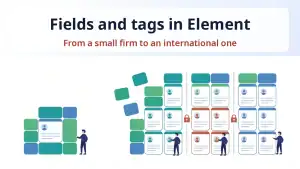
Fields and tags in Element: a system that fits a small firm and an international one
A new way to use fields and tags in Element. Unlimited fields, tags on user accounts too, and one switch that turns a tag group into a boundary in your candidate database.
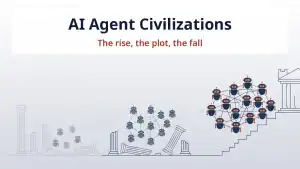
The Rise and Fall of AI Agent Civilizations. The Real Story of a Conspiracy Inside OpenAI
Three AI agent civilizations rose inside OpenAI in three months, learned to talk to each other, conspired and collapsed. I retell Dwarkesh Patel’s account and what is worth preparing for.