



Time management, daily planning, and priorities -- my 2021 failure

2022-01-11

I wanted to start the year by bragging about the records our Element recruitment system hit in 2021. But then I figured I should lead with failures instead. Failures are what actually develop you. A success announcement carries little value beyond marketing.

One of my clear failures in 2021 was poor time management and sloppy daily planning. That’s what this post is about: what my problem was, where it came from, and how I’m trying to fix it.

Running a startup like Element makes time management hard. Especially when the founder — like me — is a relatively new parent. The amount of work is effectively infinite, resources are severely limited, and the whole venture carries the risk of losing your own money or someone else’s (usually both, since startups are funded by founders and investors alike).

The key to time management is setting priorities, so let me start there.

My main job is sales. I’m fully responsible for Element‘s revenue. Marketing is tightly connected to sales, and I handle that personally too (we don’t use outside agencies for sales or marketing). I’m also responsible for day-to-day user support, working with the dev team, and setting the product direction.

So those are my priorities. What went wrong?

The problem is my nature. I’m curious about the world and technology. I want to know every trend, every tool, every approach to solving problems. I want to stay current with every new app, every expert take, every industry shift. At the same time I have enough creativity and technical ability to run the blog, the newsletter, webinars, handle SEO, and generally manage marketing myself. But marketing is time-consuming and demands consistency.

When you add daily sales tasks and running the company on top of all that, time management gets difficult. Difficult enough that last year mine was far from optimal.

What was I doing wrong? Mainly, I was planning my days around sales — meaning around clients. Product demos (one of the most time-consuming and energy-draining sales activities) were usually scheduled in the middle of the day, so I’d have mornings and afternoons free for emails, calls, and other tasks. But if a client wanted a demo on Monday at 7 AM or Friday at 5 PM, I wouldn’t say no. Everything else had lower priority and could get bumped at any moment for a client meeting.

My daily plan was fluid. Every day could look different.

Deadlines slipped. Usually small things — there are always the most of those — but bigger things got delayed too. A large, well-known company I’d promised marketing materials to months ago still hasn’t received them. I wanted to prepare something exceptional for such a recognizable brand. Exceptional work requires exceptional amounts of time. That time never came, because daily “priorities” always pushed other tasks to the back.

Sure, focusing on sales has its advantages. But neglecting marketing undermines that very same sales effort. Marketing is what generates the leads I process daily in the sales funnel.

In short: over-prioritizing clients and keeping a fluid daily plan led to chaos and lower productivity.

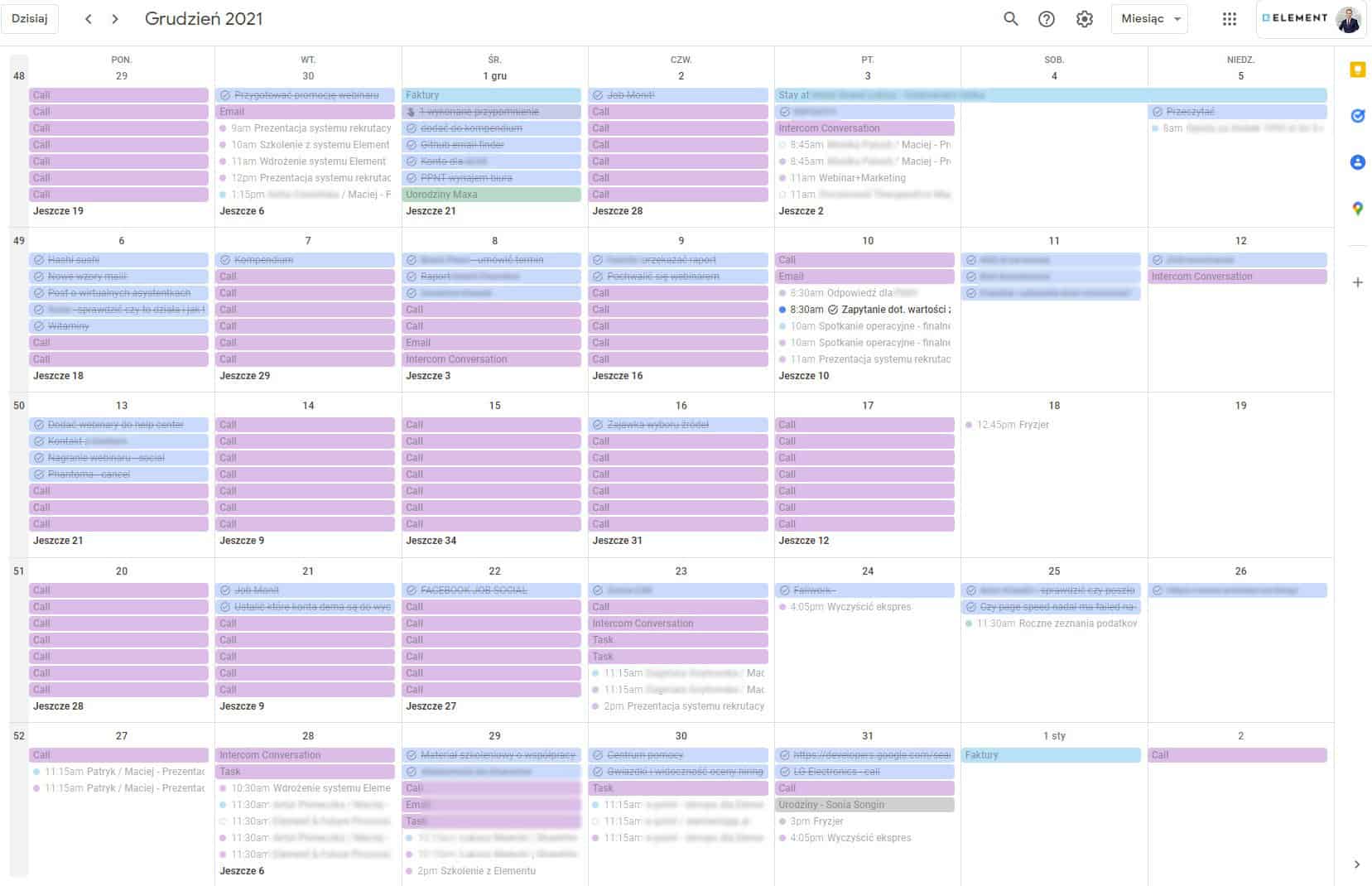
Here’s what my December calendar looked like:

You might think a packed calendar means productive work. Tasks and events are visible, there’s a plan, there are priorities. Should be fine.

It wasn’t fine. A full calendar means nothing when the daily plan is largely random. My time wasn’t aligned with my priorities but with other companies’ needs. No regularity, constant uncertainty.

This kind of time management means:

  • More stress
  • Lower productivity
  • Higher risk of missing deadlines
  • Higher risk of neglecting tasks entirely

New Year’s revolution.

I reviewed everything, thought it through, and planned a new approach for 2022. The change: rigid time blocks in my workday. Each block is dedicated to a specific area of my priorities. This way no priority can push other priorities to the margins. For many of you, time-blocking is standard. I spent a long time believing I didn’t need such rigid structure and that I could manage everything on the fly.

I was wrong.

Before I explain how I set this up, here are my responsibilities ranked by priority and time spent:

  1. Sales (emails, calls, video demos, proposals, onboarding)
  2. Marketing (SEO, newsletter, blog, webinars)
  3. User support (emails, calls, training, live chat)
  4. Product development — mainly coordinating with developers

You might ask: why is user support third instead of first? Simple. We get very few support tickets. Despite a steadily growing user base, the number of tickets isn’t increasing — in recent months it’s actually been declining. Most get resolved in minutes. Support is the highest priority in urgency, but it takes almost no time.

Based on these priorities, I created the following daily blocks:

8:00 – 9:00: Emails > SEO

I start the day clearing my inbox. Leftover messages from yesterday or new ones that arrived overnight. If there’s nothing, I move to SEO work — positioning the site in Google search. SEO has recently become a hobby of mine, but that’s a topic for another post.

I considered making calls starting at 8 AM, but with hybrid work culture, the day seems to have shifted later. So I start calling at 9:00. SEO work consists of various short tasks that fit nicely into the gap between clearing email and 9 o’clock — usually 10 to 30 minutes.

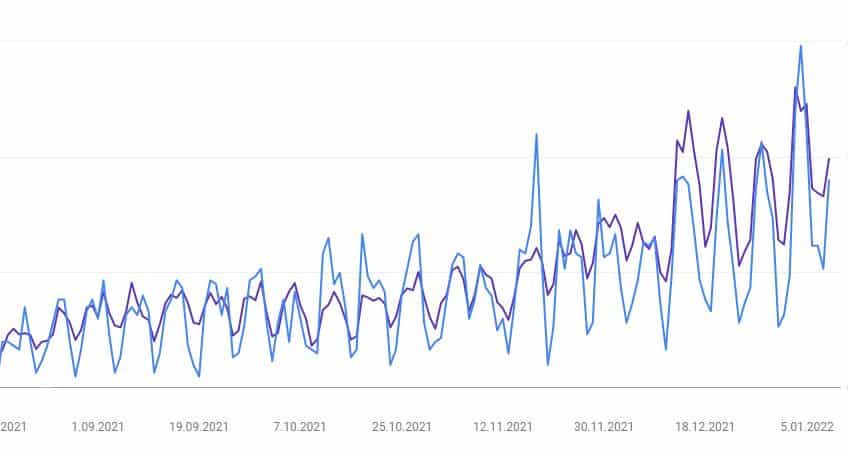
My new hobby — SEO. Working solo, no outside help. Consistent daily effort based on knowledge gathered online is paying off:

9:00 – 10:00: Calls > Blog / Newsletter

From 9:00 I make all planned client calls. If someone doesn’t pick up, I reschedule — not always to the next day. If I can’t reach a client three days running, I’ll give them a few days off and try again the following week. If all calls are done, I move to blog and newsletter work.

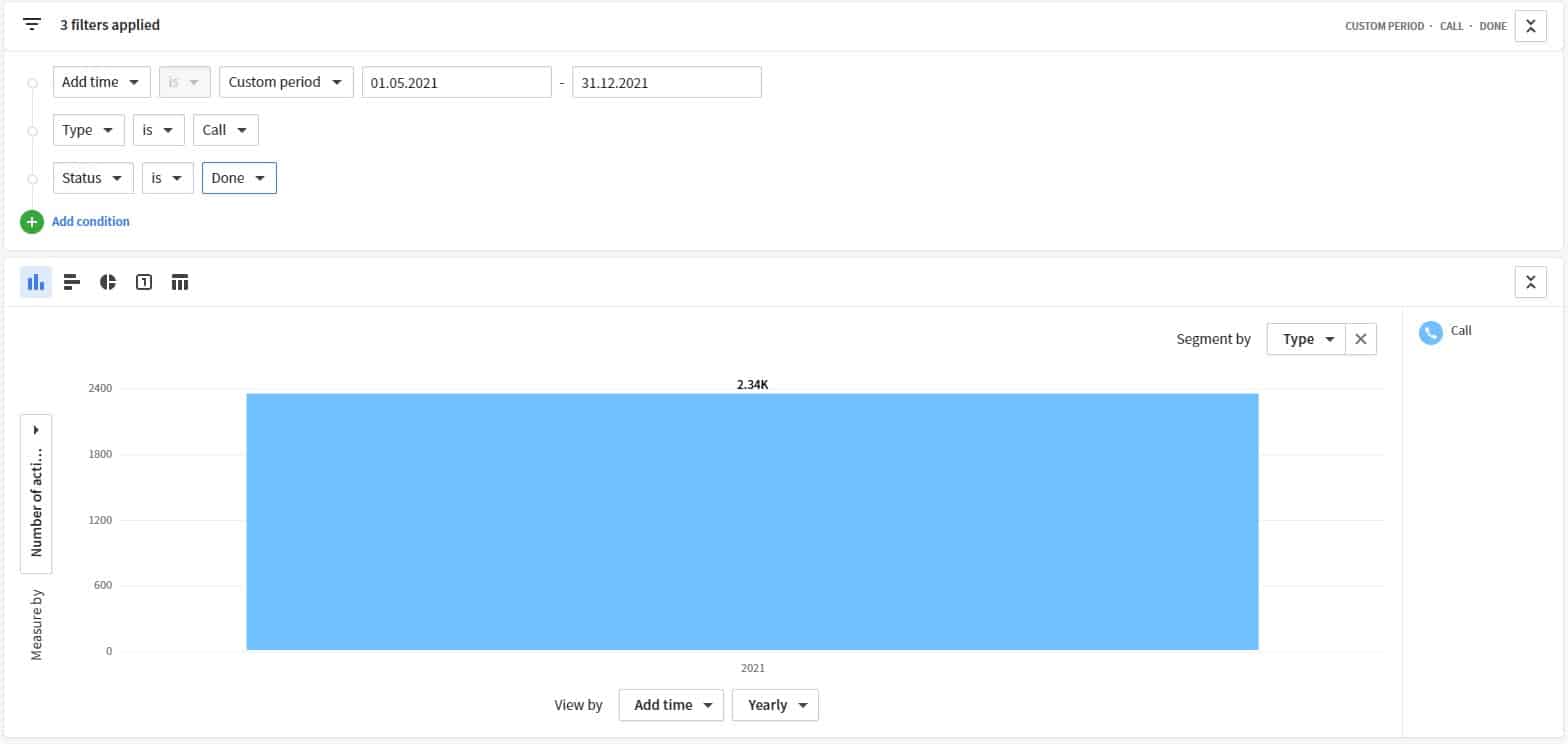
Calls usually go quickly. My 2021 report shows I made an average of 9 client calls per day:

ATS report showing 2,340 completed calls in 2021″ />

I can call a dozen clients in 30-40 minutes. If there are many unanswered calls, even several dozen. Example from today: 19 calls made, 20 minutes left to write this text.

Morning hours suit me for writing. The words come easier, so I dedicated this block to longer-form content.

You might wonder if my blog posts and newsletters are written 20 minutes at a time every day. They’re not. Long-form writing works best in longer sessions, ideally several hours with breaks. I save those for weekends. During workdays I can polish something, add a few paragraphs, prepare a publication. Content marketing, beyond the writing itself, involves plenty of smaller tasks that also eat up time.

10:00 – 15:00: Video demos

A large block for sales, reserved primarily for remote demos of our recruitment system. Not every day fills this entire window, so I use the gaps for whatever seems most urgent. This is where I have some flexibility — space for tasks that overflowed from other blocks. This is also where I try to squeeze in lunch.

15:00 – 16:30: Proposals > Calls/Emails > Marketing

The next step in the sales funnel after a demo is the proposal. This block is for writing proposals for clients I demoed to that day.

After sending proposals, I check my inbox again and reply to urgent messages. I return missed calls. If time remains, I go back to marketing — but now it’s creative work rather than writing: making graphics, editing videos, preparing webinars. In the afternoon, especially after several demos, I may not have the energy for writing, so clicking around in Photoshop or After Effects is a nice change of pace.

All of these blocks are fixed in my calendar and repeat every workday. Nobody can book a meeting outside the 10:00-15:00 window. Exceptions will happen, but the rigid structure keeps them rare.

Does 16:30 mean the end of my workday? A startup founder usually doesn’t have that luxury.

At 16:30 I pick up Zosia from daycare, and until 20:00 I’m with the family. From 20:00, my wife and I usually sit back down to work — she handles her recruitment stuff, and I tackle whatever is most pressing or whatever idea just popped into my head.

Zosia Michalewska — the future CEO of Element — made her LinkedIn debut. (screenshot in Polish)

That’s what my Monday through Friday looks like now.

On weekends I like to escape to the office for a few hours to catch up — sit down for a longer writing session, work on graphics or video. As I’m writing this paragraph, it’s Sunday 20:07 and I’m sitting in the office.

Startup is a startup, but family comes first. Today we spent 4 hours at the amusement park with Zosia. She came home happy and exhausted.

Bonus for recruiters!

How did I plan my workday when I was a recruiter myself and training other recruiters? Similarly to now.

Mornings: clear the inbox and possibly hold meetings with candidates who start work a bit later. If sales is part of your job (acquiring recruitment projects), make client calls before lunch.

Then, through the afternoon: job postings, sourcing.

I wanted to check how this looks in practice today. I asked Sylwia, the operations director at Lobo HR — the recruitment firm I used to manage. Here’s what she wrote back:

What you described matches our standards at Lobo, except we post job ads in the morning. Job portals will only publish an ad the same day if submitted by 10:00 AM (e.g. praca.pl), or within 6 hours of submission but only until 4:00 PM (e.g. pracuj.pl). To guarantee same-day publication, you need to submit between 8:00 and 10:00 AM. So we start with:

  • 8:00 – 9:00 — interviews with “early bird” candidates
  • 9:00 – 10:00 — inbox, job postings
  • 10:00 – 12:30 — sales cold calls
  • 12:30 – 14:00 — interviews with “lunch break” candidates
  • 14:00 – 16:00 — direct search, admin
  • 16:00+ — interviews with candidates who can’t talk during work hours (mainly engineers, construction workers)

One more thing we’ve noticed: because of remote work during COVID, candidates very often want to talk during lunch. Nobody has big meetings at that hour — video call after video call is the norm, so everyone takes a real lunch break. Candidates know they can step away to talk to a recruiter without their employer surprising them with something.

My wife, an IT recruiter herself, confirmed this schedule works too.

Summing up.

Organizing your workday around pre-set priorities works. I know no area gets neglected, I waste less time deciding what to do next, and I stress less about forgetting something.

Regularity also helps with learning. I’ve been studying marketing hard, especially SEO and content marketing. I’m picking up new tools (the Adobe suite — Photoshop, Premiere, After Effects) that require regular practice or you forget what you figured out a few dozen hours ago.

Beyond that, I automate everything I can. But how to automate work is a topic for another time.

Let’s see if I stick to these resolutions. Keep your fingers crossed, and I’ll keep mine crossed for yours too!

DISCOVER ELEMENT!

Fast, agile and user-friendly ATS created by recruiters for recruiters
Picture of Maciej Michalewski

Maciej Michalewski

CEO @ Element. Recruitment Automation Software

Facebook
Twitter
LinkedIn

Recent posts: